
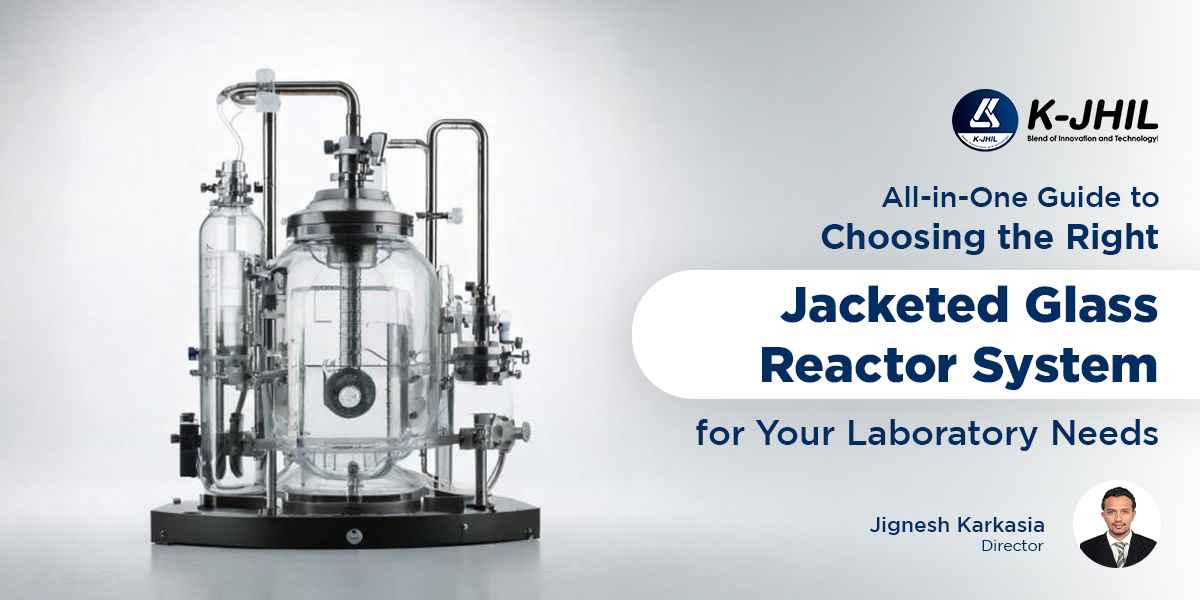
A jacketed glass reactor is a borosilicate glass vessel wrapped in an outer jacket that circulates a heating or cooling fluid, giving precise control over reaction temperature. The jacket type decides how well that heat moves: single and double jackets suit steady lab work, while half-coil and dimple jackets handle higher pressures and faster temperature swings. Choosing the right one comes down to your heat-transfer needs, pressure, and vessel size.
Key Takeaways
- A jacketed glass reactor controls reaction temperature by circulating fluid through an outer jacket around a borosilicate vessel.
- Common jacket types are single (conventional), double, half-pipe coil (limpet), coil, and dimple.
- Half-pipe coil and dimple jackets handle higher pressure and give faster, more uniform heat transfer than a plain single jacket.
- Borosilicate glass gives chemical resistance, thermal shock tolerance, and a clear view of the reaction.
- Match the reactor to your heat-transfer needs, pressure, temperature range, and vessel capacity.
Laboratory professionals often find selecting the right jacketed glass reactor system challenging. The abundance of options and technical specifications can overwhelm researchers. Many struggle to determine which features are essential for their experiments.
As experts, we understand the challenges of choosing laboratory equipment. Budget constraints often force compromises between performance and cost-effectiveness. Inefficient setups can lead to inconsistent results and wasted resources.
Fortunately, a comprehensive guide can simplify the selection process. By understanding key factors, researchers can make informed decisions. This blog will explore reactor design, temperature control, and safety features. It will also discuss material compatibility, scalability, and maintenance requirements. Readers will gain valuable insights to choose the ideal system for their needs.
Understanding Different Types of Jackets in Reactor Designs
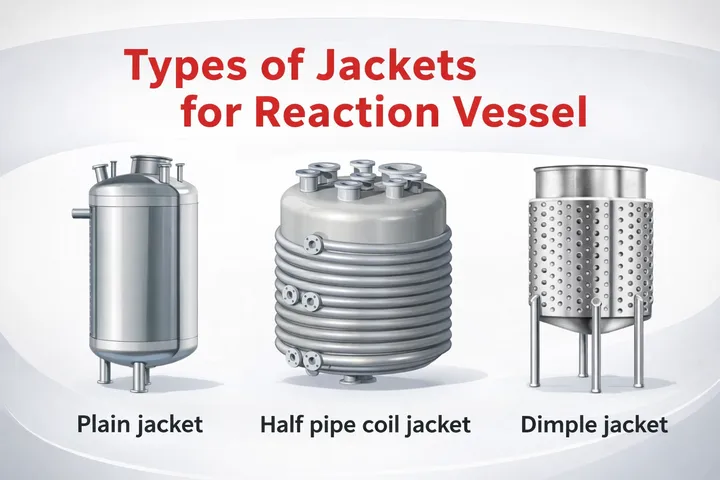
Types of jackets in reactor designs significantly influence temperature control and process efficiency. These specialized enclosures surround the vessel, facilitating heat transfer for various applications. Different jacket configurations offer unique advantages, catering to specific experimental or industrial needs. It is very important to understand differences between single vs double jacketed reactors to choose the right one for your needs.,
Single-jacket reactors feature a simple design with one layer around the vessel. They provide basic temperature control and are suitable for less demanding applications. However, their heat transfer efficiency may be limited in complex reactions.
Double-jacket reactors incorporate two layers, creating a more sophisticated temperature management system. The additional layer improves regulation and enhances heat transfer. These reactors are ideal for processes requiring precise temperature control.
| Jacket Type | How It Works | Heat Transfer | Pressure | Best For |
|---|---|---|---|---|
| Single / Conventional | One outer layer around the vessel | Basic, can leave hot/cold spots | Low | Simple, cost-conscious lab heating |
| Double | Two layers for tighter control | Improved, more uniform | Low to moderate | Sensitive or exothermic reactions |
| Half-pipe coil (limpet) | Welded half-pipe wraps the vessel | High, allows separate circuits | High | Pharma synthesis, precise control |
| Coil (limpet) | Coils wrapped around the vessel | Excellent, rapid changes | Moderate to high | Fast heating and cooling cycles |
| Dimple | Textured surface adds turbulence | High even at low flow | Higher, thinner wall | High heat-transfer, high-pressure duties |
Half-coil jacket reactors combine a traditional jacket with internal coils for enhanced performance. This hybrid design offers improved heat transfer capabilities and better temperature uniformity. They are particularly useful for viscous materials or reactions with varying heat loads.
Key considerations when selecting a jacket type include:
- Heat transfer requirements of the specific process or reaction
- Temperature range and control precision needed for the application
- Scalability and adaptability to different vessel sizes
- Ease of cleaning and maintenance for long-term operation
Coil jacket reactors use a series of coils wrapped around the vessel. They provide excellent heat transfer and allow for rapid temperature changes. These reactors are well-suited for processes that require rapid heating or cooling cycles.
Dimple jacket reactors feature a textured surface to increase heat transfer area. The dimpled design enhances turbulence, improving overall heat exchange efficiency. These reactors effectively handle applications with high heat-transfer requirements.
A key decision is choosing between a single vs double jacketed glass reactor based on heat transfer and process control needs.
Key Components of a Laboratory Glass Reactor System
A laboratory glass reactor system comprises several essential components that work together seamlessly. Each element plays a crucial role in ensuring efficient and safe operations. Understanding these components helps researchers optimize their experimental setups for various applications.
The reactor vessel forms the core of the system, containing the reaction mixture. Made from borosilicate glass, it offers excellent chemical resistance and thermal properties. The vessel’s design may include multiple necks for attachments and accessories.
A laboratory glass reactor typically features a heating mantle or oil bath. These provide uniform heat distribution and precise temperature control for reactions. Some systems incorporate built-in stirring mechanisms to mix reactants thoroughly.
The condenser is vital for reflux reactions and solvent recovery processes. It cools vapors back into liquid form, preventing the loss of volatile components. Various condenser designs exist, each suited for specific applications and flow rates.
Key components of a glass reactor system include:
- Stirrer and stirrer shaft for efficient mixing of reagents
- Temperature probes for accurate monitoring and control of reactions
- Pressure equalizing addition funnels for controlled reagent introduction
The reactor head connects various components to the main vessel. It often features multiple ports for sensors, inlets, and outlets. Specialized reactor heads can accommodate different experimental requirements and configurations.
Clamps and supports ensure the secure assembly of the entire reactor system. They prevent leaks and maintain proper component alignment during operation. Proper clamping is essential for safety and experimental reproducibility.
Selecting the Right Jacketed Glass Vessel for Your Lab
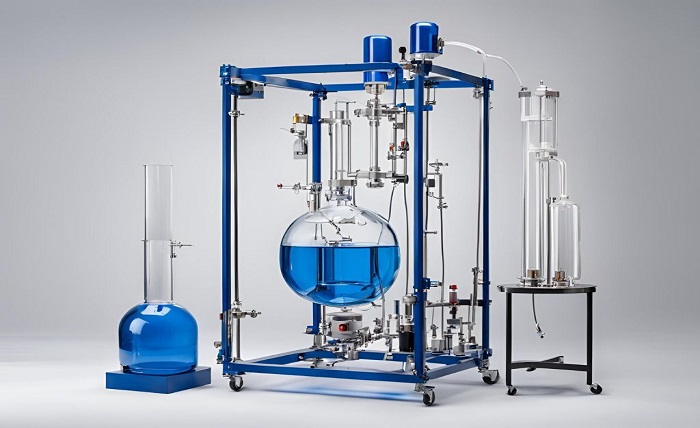
Vessel capacity is a primary factor when choosing a jacketed glass reactor. Larger vessels accommodate greater volumes but may require more space and resources. Smaller reactors offer better temperature control and are well-suited to pilot-scale experiments.
Material compatibility is crucial to the selection process. Borosilicate glass provides excellent chemical resistance and thermal stability for most applications. Some reactions may require specialized materials, such as quartz or fluoropolymer-coated vessels.
Jacket design significantly impacts heat transfer efficiency and temperature control. Single jackets offer simplicity, while double jackets provide more precise regulation. Dimpled or baffled jackets enhance turbulence, improving overall heat transfer rates.
Key factors to consider when selecting a jacketed glass vessel:
- Temperature range and control requirements for the intended reactions
- Pressure limitations and safety considerations for the experimental setup
- Compatibility with existing laboratory equipment and support systems
Vessel geometry affects mixing efficiency and product yield in many reactions. Cylindrical vessels are common, but round-bottom designs may suit certain applications. Specialized shapes can optimize heat transfer or accommodate specific stirring mechanisms.
Ports and connections should accommodate necessary accessories and instruments. Multiple necks allow integration of components such as condensers. Standardized fittings ensure compatibility with a wide range of laboratory equipment.
Consider the vessel’s scalability for future research or production needs. Some designs allow for easier scaling up or down of processes. This flexibility can save time and resources in long-term research projects.
Advanced Features in Modern Jacketed Glass Reactor Systems
Modern jacketed glass reactor systems incorporate advanced features for enhanced performance and versatility. These innovations improve process control, safety, and experimental outcomes across various applications. Researchers benefit from increased efficiency and more precise results in their work.
Automated temperature control systems offer precise regulation of reaction conditions. Programmable controllers allow for complex temperature profiles and automated process sequences. This capability ensures reproducibility and minimizes human error in experimental procedures.
Integrated stirring mechanisms provide uniform mixing throughout the reaction vessel. Magnetic stirrers or overhead agitators can be synchronized with temperature controls. Some systems measure torque to monitor viscosity changes during reactions.
Advanced sealing technologies improve the overall safety of reactor systems. Specialized gaskets and fittings prevent leaks and contamination in high-pressure applications. These features are particularly important when working with volatile or hazardous materials.
Key advanced features in modern jacketed glass reactor systems:
- Real-time data logging and remote monitoring capabilities
- Modular designs for easy customization and maintenance
- Integrated safety systems with automatic shutdown protocols
Vacuum-jacketed reactors offer superior insulation for temperature-sensitive processes. These designs minimize heat loss and provide more stable conditions. They are particularly useful for cryogenic applications or highly exothermic reactions.
Smart sensors and connectivity options enable real-time process monitoring and control. Researchers can track multiple parameters simultaneously and adjust conditions remotely. This connectivity facilitates more efficient laboratory management and data analysis.
Applications of Laboratory Glass Reactors in Various Industries
Pharmaceutical research relies heavily on laboratory glass reactors for drug development. These versatile systems enable precise control of reaction conditions and synthesis. The reactor in pharmaceutical industry applications ranges from small-scale experiments to pilot production.
Chemical manufacturers use glass reactors for product development and quality control. These systems allow for careful monitoring of reactions and process optimization. Researchers can easily observe color changes and phase separations during experiments.
The food and beverage industry employs glass reactors for flavor development. These systems facilitate the creation of new additives and preservatives. Controlled conditions ensure consistency in taste profiles and product stability.
Key applications of laboratory glass reactors in various industries:
- Polymer synthesis and characterization in materials science
- Biofuel research and production process development
- Environmental testing and wastewater treatment studies
Cosmetics companies utilize glass reactors for formulation development and testing. These systems enable precise ingredient blending under controlled conditions. Researchers can evaluate product stability and shelf life in various environments.
In the electronics industry, glass reactors are used in semiconductor research. They enable the synthesis of specialized materials for advanced electronic components. Controlled atmospheres and precise temperature regulation are crucial in these applications.
Biotechnology firms use glass reactors for fermentation and cell culture studies. These systems provide a sterile environment for growing microorganisms and cells. Researchers can easily monitor growth conditions and harvest products efficiently.
Maximizing Efficiency with Jacketed Glass Vessel Accessories
Specialized stirrers enhance mixing efficiency in jacketed glass vessels for various applications. Magnetic stirrers offer gentle agitation, while overhead stirrers handle viscous solutions effectively. Some models feature programmable speed controls for precise and reproducible mixing.
Temperature probes provide accurate monitoring of reaction conditions within the vessel. Platinum resistance thermometers offer high precision across a wide temperature range. Thermocouples are cost-effective alternatives suitable for many standard laboratory applications.
Condensers play a crucial role in reflux reactions and solvent recovery. Different designs cater to specific flow rates and cooling requirements. Efficient condensers minimize solvent loss and maintain consistent reaction concentrations.
Key accessories for maximizing efficiency in jacketed glass vessels:
- Pressure-equalizing addition funnels for controlled reagent introduction
- Sampling ports for easy extraction without disrupting the reaction environment
- Gas dispersion tubes for uniform distribution of gases in liquid media
Specialized reactor heads accommodate multiple accessories and instruments simultaneously. These heads feature standardized ports for easy integration of various components. Custom designs can be created to meet specific experimental requirements.
Heating mantles provide uniform heat distribution for jacketed glass vessels. Digital controllers allow precise temperature regulation and programmable heating profiles. Some models offer built-in stirring capabilities for all-in-one heating and mixing.
Vacuum adapters enable the creation of low-pressure environments within reactors. These accessories are essential for distillation and drying processes. Proper sealing ensures the maintenance of desired vacuum levels throughout experiments.
Common Challenges and Considerations for Jacketed Reactor Systems
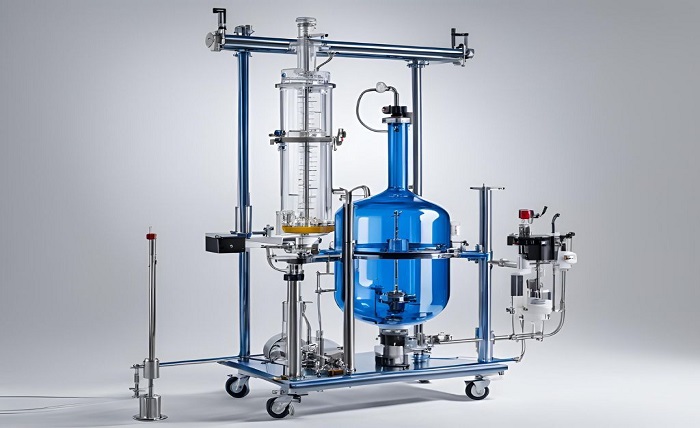
Temperature control presents a significant challenge in jacketed reactor system applications. Maintaining uniform heat distribution throughout the vessel can be difficult. Proper selection of jacket design and heating medium is crucial.
Scaling up reactions from the laboratory to the production scale requires careful consideration. Heat transfer characteristics may change significantly with increased vessel size. Researchers must adjust process parameters to maintain reaction efficiency at larger scales.
Material compatibility issues can arise when working with corrosive or reactive substances. Selecting appropriate gaskets and seals is essential to prevent leaks. Regular inspection and maintenance of reactor components help ensure long-term reliability.
Key considerations for jacketed reactor systems:
- Pressure limitations and safety measures for high-pressure applications
- Cleaning and sterilization protocols for pharmaceutical and biotechnology use
- Integration with existing laboratory infrastructure and control systems
Optimizing stirring and mixing can be challenging in viscous or heterogeneous reactions. The choice of stirrer type and speed impacts heat transfer efficiency. Baffles or specialized impeller designs may be necessary for certain applications.
Maintenance and Safety Considerations
Regular inspections ensure the integrity of the reactor jacket and prevent potential leaks or failures. Operators must monitor temperature and pressure levels to maintain optimal performance. Types of jackets in reactor designs influence maintenance requirements and safety protocols.
Cleaning procedures vary based on jacket material and reactor contents. Proper training equips personnel to handle emergencies and conduct routine maintenance tasks.
Safety measures for reactor jackets include:
- Installing pressure relief valves to prevent over-pressurization
- Implementing corrosion monitoring systems for early detection of damage
- Using appropriate personal protective equipment during maintenance activities
Periodic testing of jacket cooling systems helps identify issues before they escalate. Proper documentation of maintenance activities aids in troubleshooting and future planning.
Conclusion
Our company offers cutting-edge solutions tailored to diverse research needs. The laboratory glass reactor offers unparalleled versatility for a wide range of chemical processes and experiments.
Researchers benefit from the precision, efficiency, and reliability of our advanced systems. Our reactors are designed to meet the highest industry standards and specifications.
Key advantages of our jacketed glass reactor systems include:
- Modular design allows flexibility for different mixing and reaction processes
- Real-time monitoring and control systems for accurate data-driven operations
- Highly customizable parameters to meet specific research requirements
- Technical support and post-sales service to follow up on the system at any time of the day.
Enhance your laboratory with our latest technology jacketed glass reactor systems. Experience the K-Jhil difference with our innovative approach and customer-centric solutions.
Contact out experts today and get a free consultation for the right jacketed glass reactor system for your needs.
FAQs
1. What is a jacketed glass reactor, and why is it important for laboratory use?
A jacketed glass reactor is a specialized laboratory glass reactor vessel designed for controlled chemical synthesis. The jacket surrounds the main vessel, allowing a heating or cooling fluid to circulate for precise reactor temperature control. This setup is crucial for maintaining consistent reaction conditions, improving safety, and ensuring reproducible results in experiments ranging from pharmaceutical development to material science.
2. How do I choose between a single and double jacketed glass reactor vessel?
Choosing between a single- and double-jacketed glass reactor vessel depends on your process requirements. Single jackets are suitable for basic heating/cooling, while double jackets provide superior thermal regulation and stability for sensitive or exothermic reactions. The types of jackets used in reactor designs, such as dimple or coil jackets, further affect heat transfer efficiency. Your choice should be guided by the needed temperature precision, scalability, and the specific thermal demands of your reactions.
3. What are the advantages of using a borosilicate glass reactor?
Borosilicate glass reactors offer exceptional chemical resistance, thermal shock tolerance, and clarity for visual reaction monitoring. This makes them ideal for glass jacketed vessels handling corrosive substances or processes requiring extreme temperature changes. Their durability and inert nature ensure product purity and longevity, making them a preferred choice for high-precision applications in pharmaceuticals, fine chemicals, and advanced research.
4. What key features should I look for in a reactor temperature control system?
An advanced reactor temperature control system should offer precise programmability, rapid heating/cooling rates, and uniform thermal distribution across the vessel. Look for systems with digital controllers, integrated safety limits, and compatibility with your jacketed glass reactor’s capacity and jacket type. Features like data logging, remote monitoring, and compatibility with external chillers or heaters are also essential for maximizing efficiency and reproducibility in complex processes.
5. Can a jacketed glass reactor system be customized for specific laboratory applications?
Yes, modern jacketed glass reactor systems are highly modular. You can customize components such as vessel capacity, jacket type (e.g., dimple, half-coil), stirring mechanisms, condenser types, and accessory ports (for sensors, feed lines, or sampling). This flexibility allows the system to be tailored for specific applications, whether for small-scale R&D, pilot production, or processes requiring specialized setups such as vacuum, pressure, or inert-atmosphere reactions.
6. What are the main types of reactor jackets?
The common types are single (conventional), double, half-pipe coil (also called limpet), coil, and dimple jackets. Single and double jackets suit steady lab heating and cooling. Half-pipe coil and dimple jackets move heat faster and hold higher pressures.
7. Which reactor jacket type gives the best heat transfer?
Half-pipe coil and dimple jackets give the strongest, most uniform heat transfer, since both raise fluid turbulence around the vessel. A plain single jacket is simpler and cheaper but can leave hot and cold spots. For precise or fast temperature control, the coil and dimple designs are the better pick.
8. What temperature and pressure can a jacketed glass reactor handle?
Borosilicate glass reactors typically run from about -80C to 200C, depending on the fluid and design. Most operate from vacuum through to mild positive pressure, since glass has limits that steel does not. Always match the jacket and vessel rating to your process conditions.
9. What sizes do jacketed glass reactors come in?
Lab and pilot reactors usually run from 1 liter up to about 200 liters. Larger borosilicate systems reach 200 liters and beyond for pilot and small production. Pick the capacity for the volume you will run, with room to scale.
10. How much does a jacketed glass reactor cost in India?
Price depends on capacity, jacket type, and automation, so a small 5 liter lab unit and a 100 liter automated system sit far apart. A small glass reactor starts modest, while a large automated setup runs into several lakhs. Share your capacity and process for a costed quote.