
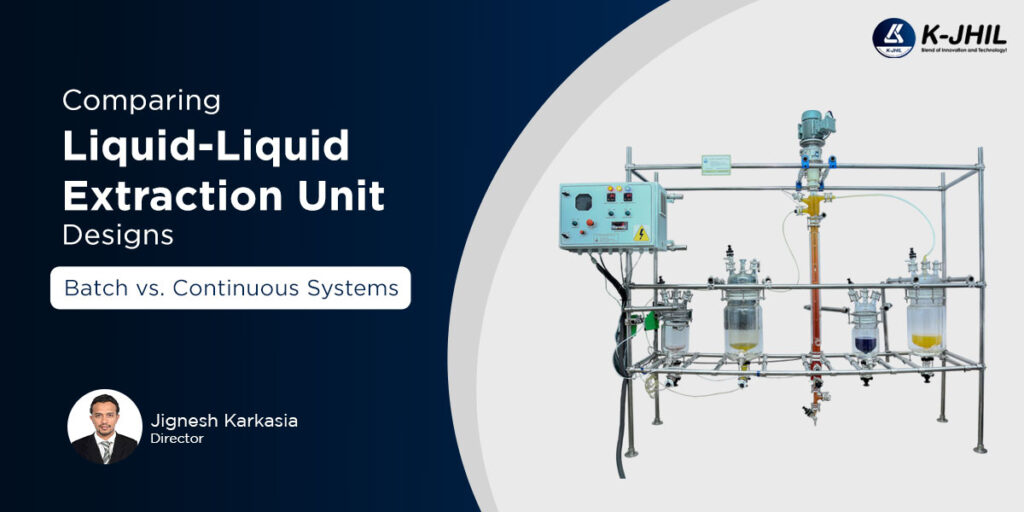
Chemical processing industries continually seek efficient methods for separating and purifying compounds.
What's on this page:
Market analysis shows that liquid-liquid extraction processes drive 35% of separation technologies worldwide.
Selecting the right extraction system is essential to ensure the best manufacturing efficiency. Understanding the differences between batch processes and continuous processes is therefore integral.
As veterans in this industry, we understand how choosing between a batch or continuous operation is a significant decision. Only the right type of liquid-liquid extraction unit can provide the flexibility you require.
This guide will help you make the right decision for your separation needs. We will weigh the pros and cons of each system.
This will help you select the best liquid-liquid extraction system for your needs.
Understanding Liquid-Liquid Extraction Fundamentals
This process involves separating two components based on the difference in their solubility. It transfers solutes between two immiscible liquids through selective mass transfer mechanisms.
Key aspects of liquid-liquid extraction include:
- The feed solution contains the target compound that needs to be extracted
- A carefully selected solvent facilitates the transfer of solutes between liquid phases
- Interface contact time determines the efficiency of component separation in extraction systems
- Temperature and pressure conditions impact the overall mass transfer rate significantly
Engineers must consider these fundamental principles when designing extraction units for industrial applications. Understanding these basics helps optimize separation processes while ensuring consistent product quality.
Understanding Batch Extraction Systems
Batch extraction systems are essential for processing small product volumes with high precision. These systems provide flexibility in handling multiple product grades through their modular design.
Here are the key features and operational characteristics of batch extraction systems:
Design Features
Modern batch extraction systems incorporate advanced materials for enhanced operational efficiency. Process engineers carefully select liquid-liquid extraction equipment based on specific production requirements.
Key design elements of batch extraction systems include:
- Specialized mixing vessels with precise temperature control mechanisms
- Automated phase separation units featuring adjustable interface level controls
- Multiple sampling ports strategically placed for quality monitoring
- Integrated cleaning systems that minimize cross-contamination between batches
These design features ensure consistent product quality through controlled extraction conditions. Process parameters can be modified easily to accommodate different product specifications.
Operating Characteristics
Batch extraction operations follow distinct cycles of loading, mixing, settling, and product recovery. Each operational phase requires careful monitoring to maintain optimal separation efficiency.
Key operational aspects include:
- Mixing intensity controls the interfacial contact area between immiscible liquid phases
- Settling time determines the completeness of phase separation after mixing
- Product recovery techniques impact the final extract and raffinate quality
- Cycle time management affects overall throughput and production scheduling
Process operators must balance these parameters to achieve desired separation goals. Proper documentation of operating conditions helps maintain consistency across multiple batches.
Understanding Continuous Extraction Systems
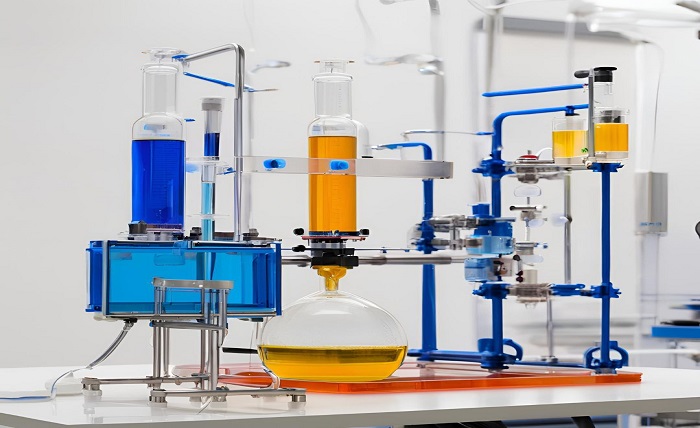
This is a modern evolution of large-scale chemical processes. Using advanced automated control, continuous extraction systems minimise errors.
Here are the key features and operational aspects of continuous extraction systems:
Design Features
Advanced extraction systems incorporate specialized column designs for optimal phase contact. The continuous liquid-liquid extraction process requires robust equipment built for uninterrupted operation.
Key design features include:
- Counter-current flow arrangements that maximize mass transfer between liquid phases
- Automated interface-level controls for maintaining stable phase boundaries
- Multiple feed points enabling flexible solvent introduction and product withdrawal
- Integrated inline monitoring systems for real-time process parameter adjustment
Careful consideration of these design elements ensures consistent separation performance. Engineers must select appropriate materials to handle continuous operation requirements.
Operating Characteristics
For better stability, this system requires complete control over flow controls. This type of liquid-liquid extraction system needs optimised feed rates. This is to provide the best possible output.
Key operational characteristics include:
- Continuous monitoring of phase boundaries ensures optimal separation performance
- Flow rate adjustments maintain the desired residence time for efficient extraction
- Real-time process control systems respond to variations in feed composition
- Automated sampling protocols verify product quality during operation
Difference Between Batch Process and Continuous Process
Selecting between batch and continuous extraction methods can be confusing. Different production requirements and facility constraints influence the choice of extraction system design. Here are the fundamental differences between batch and continuous extraction processes.
Here’s a concise table of differences:
Aspect | Batch Systems | Continuous Systems |
Operation | Discrete cycles | Uninterrupted flow |
Volume | Small-scale | Large-scale |
Flexibility | High product variety | Limited product changes |
Control | Manual intervention possible | Fully automated |
Maintenance | Less frequent | Regular maintenance needed |
Labor | Higher requirements | Lower requirements |
Initial Cost | Lower investment | Higher investment |
Operating Cost | Higher per unit | Lower per unit |
Quality Control | Batch-specific monitoring | Real-time monitoring |
Production Rate | Variable | Constant |
Technical Aspects
Understanding the batch vs continuous process differences helps optimize separation efficiency.
Key technical considerations include:
- Batch systems offer flexible residence times for challenging separations
- Continuous operations maintain consistent product quality through steady-state conditions
- Heat transfer efficiency varies significantly between the two system designs
- Scale-up factors affect equipment sizing and process control requirements
These technical aspects influence the overall performance of extraction systems. Engineers must evaluate each factor for their specific application needs.
Operational Flexibility
Production facilities require adaptable extraction systems to meet changing market demands. Understanding the batch vs continuous process options enables efficient production planning.
Key flexibility factors include:
- Batch operations allow quick product grade changes without system modifications
- Continuous systems maintain stable operation for extended production campaigns
- Equipment cleaning requirements differ significantly between extraction methods
- Production volume adjustments impact operational efficiency in both systems
Process engineers must evaluate these flexibility aspects when selecting extraction equipment.
Process Control and Monitoring
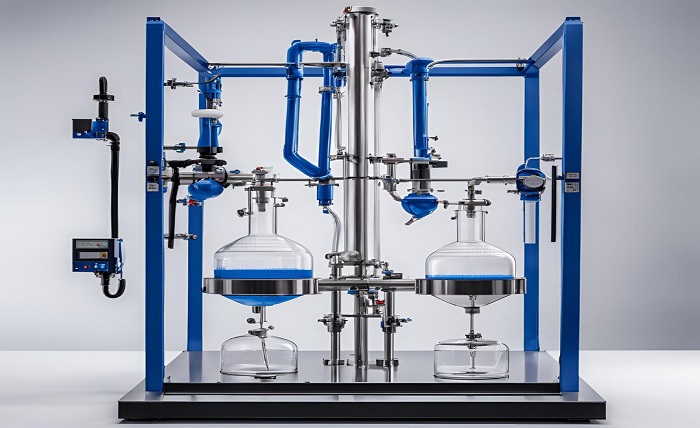
Modern extraction systems use precise controls. Various additional equipment is required for maximum operational efficiency. This requires monitoring your liquid-liquid extraction closely and tweaking the process as required.
Key control aspects include:
- Real-time monitoring systems track critical process parameters throughout extraction cycles
- Continuous liquid extraction operations demand precise interface level control
- Automated sampling systems ensure consistent product quality during production
- Data logging capabilities enable detailed process analysis and optimization
Regular monitoring ensures sustained operational excellence and product quality consistency.
Economic Considerations
This is one of the main reasons why you should compare batch process vs continuous process.
Either system will incur a large investment and continuous operational costs. It will also severely impact your long-term financial planning.
Key economic factors include:
- Initial capital investment varies significantly between extraction system types
- Labor requirements differ based on automation levels and operational complexity
- Maintenance costs fluctuate with equipment complexity and operating hours
- Energy consumption patterns affect overall operational expenses
Plant managers must evaluate these financial aspects before selecting extraction equipment. Detailed cost analysis ensures optimal return on investment for separation projects.
Applications of Batch Process Vs Continuous Process
Process engineers must understand specific industry requirements before selecting an extraction system design. Different sectors have unique liquid-liquid extraction applications that influence operational decisions. Here are the key applications and industry-specific considerations for both extraction systems.
Batch Process Applications
Batch extraction systems excel at providing flexibility and precise control over product quality.
Here are the key applications of batch extraction systems:
- Specialty chemicals production
- Pharmaceutical manufacturing
- Small-volume production runs
- Research and development batches
- Custom product formulations
- Pilot plant operations
Process engineers select batch systems when product purity and process validation are required. The ability to control each production step benefits the output of high-value products.
Continuous Process Applications
Continuous extraction systems provide efficient solutions for large-scale industrial separations. These systems are ideal for processes requiring consistent throughput and automated operation. Here are the key applications where continuous extraction systems excel:
- Large-volume chemical processing
- Petrochemical separations
- Wastewater treatment
- Food and beverage processing
- Mining and metal extraction
- Industrial-scale solvent recovery
Engineers choose continuous systems for applications demanding sustained production rates. These systems optimize operational efficiency while maintaining consistent product quality.
Conclusion
K-Jhil Scientific’s advanced liquid-liquid extraction systems lead industry innovation in separation technology. Their chemical process systems incorporate scientific principles of thermodynamics and mass transfer mechanics.
Key achievements of K-Jhil Scientific’s extraction systems include:
- Scalable solutions that maintain consistent product quality across production volumes
- Advanced process control features enabling precise separation and purification
- Customizable designs meeting specific industry requirements and applications
- Integrated automation systems for optimized operational efficiency
K-Jhil’s expertise will ensure that your separation performance will be reliable.
Its product range will provide better efficiency for your industrial applications.
FAQS
Q1: What is the difference between batch and continuous extraction?
A: Batch extraction operates in cycles where materials are processed in discrete amounts, while continuous extraction runs uninterrupted with constant material flow. Batch systems offer flexibility for multiple product grades but have lower throughput. Continuous systems provide steady-state operation, higher production volumes, and consistent product quality through automated controls.
Q2: What is the principle of continuous liquid-liquid extraction?
A: Continuous liquid-liquid extraction operates on the principle of counter-current flow between immiscible liquids. The process maintains constant contact between feed and solvent streams, utilizing density differences for separation. The system relies on steady-state mass transfer, controlled interface levels, and continuous product withdrawal.
Q3: How do you optimize liquid-liquid extraction efficiency?
A: Extraction efficiency can be optimized by controlling key parameters like temperature, mixing intensity, and contact time. Proper solvent selection, maintaining optimal phase ratios, and ensuring adequate interface area improve mass transfer. Regular monitoring of operating conditions and implementing feedback control systems helps maintain peak performance.
Q4: What factors influence the selection between batch and continuous extraction systems?
A: Selection depends on production volume requirements, product specifications, and operational flexibility needs. Capital investment, maintenance costs, and available floor space impact the decision. Product changeover frequency, quality control requirements, and workforce expertise also influence system choice.