

What's on this page:
If you’re operating a manufacturing plant, your solvent waste might be generating a lot of issues, such as:
- Hazardous liquids
- Rising disposal costs
- Compliance issues
So, are there any solutions that can help you reduce costs, minimize waste, and comply with environmental laws simultaneously?
Yes, there are two very good solutions to the problem of solvent wastage:
Solvent Recovery Systems and Solvent Distillation Systems!
But how different are they? And which one should you choose? Is one easier than the other?
That’s exactly what we are going to discuss in this blog!
We’ll explore how the two systems work and understand which solution suits what kind of industrial process.
Let’s get started!
Difference Between Solvent Recovery and Solvent Distillation: Table of Contents
- Solvent Distillation And Solvent Recovery: Table of Differences
- What Is Solvent Distillation?
- What Is Solvent Recovery?
- What Are The Core Differences Between Solvent Recovery and Solvent Distillation?
- Get Your Solvent Recovery Solution Today
- Key Differences Between Solvent Recovery and Solvent Distillation: FAQs
Solvent Distillation And Solvent Recovery: Table of Differences
Parameters | Solvent Distillation | Solvent Recovery |
Scope | Separate solvents only when the mixture is in liquid form | Separates solvents from both solid and liquid waste mixtures |
Processes | Three stages in its process | Five-step process |
Complexity | Quite simple | More on the complex side |
Output | Can recover multiple solvents, but only if configured with fractional separation capabilities | Can recover multiple solvents, with the standard design or settings |
Applications |
|
|
What Is Solvent Distillation?
Solvent distillation is a method of separating solvents, where the mixture consists of multiple substances.
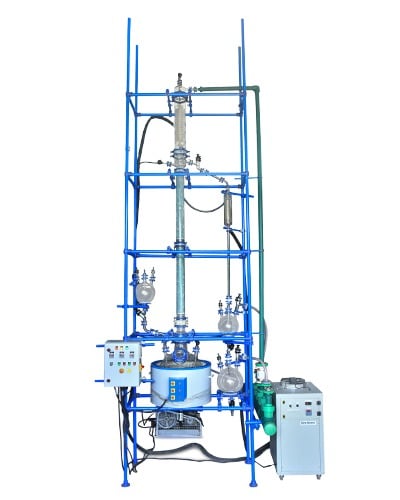
Here’s how the solvent recovery distillation process works:
- Heating: The mixture is heated to reach its boiling point.
- Vaporizing: The vapor from the hot mixture is collected.
- Condensing: Next, it is cooled down or condensed.
- Collecting: All condensed solvent is collected in a separate container.
In the next section, I’ll explain the three ways to perform solvent distillation to reduce manufacturing costs.
What Are The Types Of Solvent Distillation Methods?
The methods of Solvent distillation are several, but we’ll discuss the ones that are more commonly used. One of the following may fit your requirements:
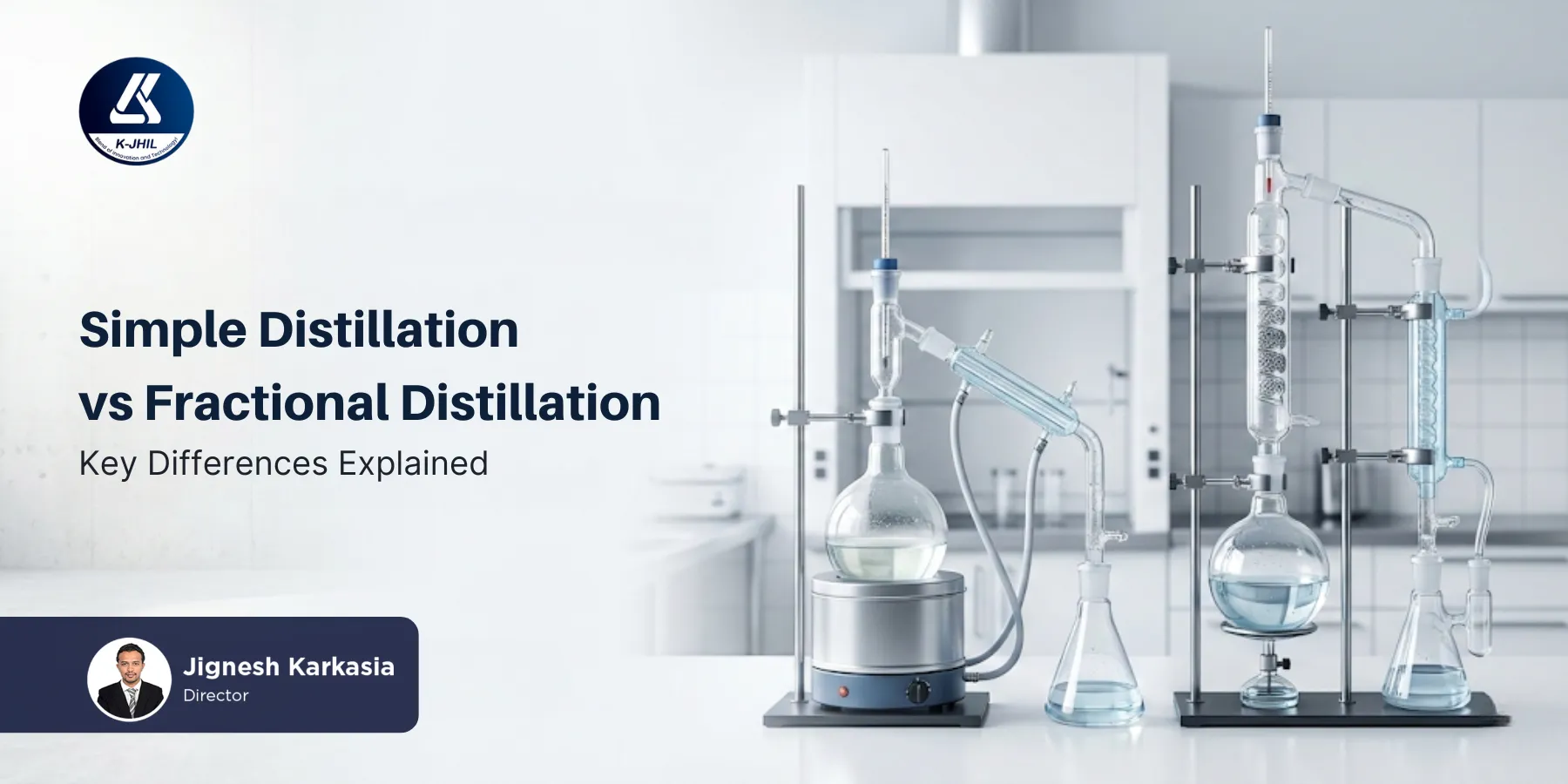
1. Simple Distillation
Best For: Solvents with different boiling points
Let’s start with the most basic and widespread method: simple distillation. The entire process remains the same as we discussed above, and setting up this system is easy.
2. Fractional Distillation
Best For: Better recovery efficiency
Under fractional distillation, the whole solvent distillation process is repeated several times to maximize the solvent mixture’s yield.
3. Vacuum distillation
Best For: Heat-sensitive solvent
In this distillation system, the chamber’s pressure is significantly reduced to decrease the mixture’s boiling point. Thus, the distillation process happens at low temperature levels.
Solvent recovery distillation is generally used for solvent separation in chemical plants, solvent purification and waste solvent reuse.
Next, we’ll brief you on “What is solvent recovery?”, so you’ll have clarity on both.
What Is Solvent Recovery?
Solvent Recovery is popularly known as “solvent extraction” in the industrial arena, and you can use both interchangeably.
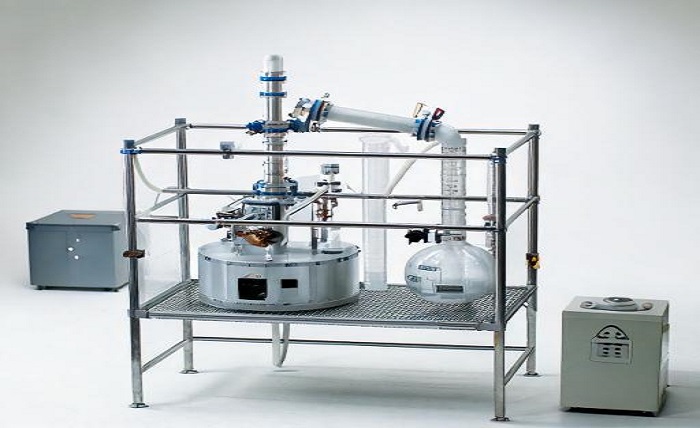
Under this method, all the impurities are isolated from the solvent mixture, and the solvent is separated without any damage to its quality.
This is how the separation is done at a solvent recovery plant:
- Collection and segregation: The solvent mixtures are collected and arranged according to their type and contamination level.
- Filtration: The mixture passes through filtration, where solid debris and impurities are removed.
- Distillation and Recovery: Next, the solvent mix is heated based on its boiling points.
- Purification and Quality Control: The separated solvent is purified and tested to match the required quality.
- Reuse or Disposal: The recovered solvent is reused, and the residues or leftover impurities are disposed of.
If you follow each and every step mentioned above, you’ll save a lot on your stock purchases as you won’t have to buy new solvents every time.
What Are The Types Of Solvent Recovery Methods?
There are two solvent recovery methods by which you can perform the extraction:
1. Solid-liquid extraction
Used solvents may be trapped in solid waste, in which case, solid-liquid extraction can help you separate the solvent. In the process, you add a suitable liquid solvent that dissolves the recoverable solvent. Thus, you can extract the maximum quantity of solvent from the solid waste.
2. Liquid-liquid extraction
If your solvent is mixed with other kinds of liquids, you can use liquid-liquid extraction. Basically, in this process, two immiscible liquids are used. Your required solvent gets into a new liquid form, and the other unwanted liquid gets isolated from it.
The industries that majorly use solvent recovery systems are pharmaceuticals, electronics manufacturing, paints, and coatings.
What Are The Core Differences Between Solvent Recovery and Solvent Distillation?
Solvent Recovery and Distillation perform the same task but are still entirely different. Their solvent recovery techniques differ, as do some other aspects.
So, we’ll walk you through those differences, which are based on the following parameters:
Scope
- Solvent Recovery: They can separate solvents from waste mixtures, which can be in both solid and liquid form. Thus, they can be used in various industries and applications.
- Solvent Distillation: It is limited to separating only solvents from the liquid form of waste mixtures.
Processes
- Solvent Recovery: The complete process happens in five stages, which are:
- Collection
- Segregation
- Filtration
- Extraction
- Distillation
- Purification
- Solvent Distillation: The solvent distillation process works in these three easy steps:
- Heating
- Vaporizing
- Condensing
Complexity
Solvent Recovery: Since its operations involve multiple stages, it may seem a bit complex to use, especially if you are working with it for the first time.
Solvent Distillation: This one is much easier to operate than solvent recovery systems. You just have to focus on controlling the temperature, and the solvent gets separated through thermal separation.
Output
Solvent Recovery: These systems are mainly built to recover multiple solvents from a waste mixture
Solvent Distillation: It can also recover multiple solvents from a mixture, but to do so, you need to customize it to give fractional separation capabilities
Sustainability and Efficiency
Solvent Recovery: If you want low electricity consumption and faster recovery from waste mixtures, then setting up a solvent recovery plant can be the best option for your operations.
Solvent Distillation: They comparatively consume more power and take more time to recover solvents.
Applications
Solvent Recovery: These are the industries that majorly use solvent recovery plants or systems:
- Pharmaceuticals
- Chemicals
- Paints
- Petrochemicals
- Waste Management
Solvent Distillation: The following are some of the common places where solvent distillation systems are used:
- Chemical manufacturing
- Petrochemical refining
- Pharmaceuticals
- Laboratories
Get Your Industrial Solvent Recovery Solution Today!
If we summarize the overall picture, solvent recovery is a broader method that includes distillation.
And considering your capital-intensive business, we highly recommend that you start using cost-effective and sustainable solutions like Solvent Recovery and Solvent Distillation.
If you need any of these systems from a trusted manufacturer, then we are here to help.
At K-Jhil Scientific, we engineer fully automated and durable industrial solvent recovery and distillation systems.
We have been doing this for over three decades and have delivered customized solutions to businesses in various industries.
Contact us today and start optimizing your solvent use and costs!
Key Differences Between Solvent Recovery and Solvent Distillation: FAQs
1. What is the difference between distillation and recovery?
The main difference between solvent distillation and recovery is that:
- Distillation occurs within solvent recovery and can separate solvents from liquid waste mixtures by evaporating and condensing them.
- On the other hand, recovery is a broader process that includes distillation and other purification solvent recovery techniques, and can recover solvents from solid and liquid waste mixtures.
2. What is solvent recovery?
Solvent recovery can be defined as the method of:
- Collecting used solvent mixtures
- Running them through distillation or extraction
- Recovering the solvents and reusing them in your industrial processes
3. What is recovery in distillation?
In distillation, recovery means:
- Collecting the solvents that have been separated from the mixtures containing other chemicals and impurities.
- Reusing those solvents in your industrial processes, so you won’t have to purchase a new stock.
4. What are the 4 steps of distillation?
The four main steps of distillation are as follows:
- Heating
- Vaporizing
- Condensing
- Collecting